
Art Therapy: A Healing Exploration of The Self
- Rose @investholist.com

- Nov 25
- 7 min read
Art has long been celebrated as a vital tool for self-expression and healing. In recent years, art therapy has gained recognition as an effective way to help people cope with trauma and emotional struggles. By engaging in activities like painting, music, and photography, people can explore their emotions, unravel complex feelings, and promote personal growth.
This blog post delves into the interplay of sound and visual art, discussing how these forms influence each other and how artists can leverage this connection to enhance their work. And highlights the importance of art therapy, its numerous benefits, practical examples, and actionable tips for anyone seeking ways to express their innermost thoughts and feelings.
.
Understanding Art Therapy
Art therapy combines artistic expression with psychotherapy, creating a space where individuals can reveal themselves without relying on words. This therapeutic approach harnesses the creative process, helping people confront and understand their trauma. For many, the strokes of a brush or the strumming of a guitar may convey emotions that are hard to vocalize, acting as a bridge toward healing.
Art provides a safe environment for exploring overwhelming feelings. Whether revisiting past experiences or addressing current challenges, art therapy presents an accessible way to engage with emotions while minimizing fear and anxiety.
Benefits of Art Therapy
1. Emotional Expression
Art therapy is particularly effective in facilitating emotional expression. Many individuals struggle to articulate their feelings verbally, but creativity offers a powerful outlet. For instance, someone feeling anxiety can use chaotic colors or erratic brush strokes to depict their state of mind, while another may use soft pastels to illustrate calmness. Having this visual language allows for a more comfortable and less intimidating means of expression.
2. Stress Reduction
Creating art can trigger a state of flow, inducing relaxation that lowers stress levels. Research shows that individuals who engage in creative activities report a 60% reduction in anxiety. When focused on a creative task, many experience a calming presence that helps them escape from anxiety and intrusive thoughts. This reduction in stress is crucial for individuals grappling with trauma and emotional dysregulation.
3. Self-Discovery and Insight
Art therapy encourages significant personal insights. The act of creating art often reveals underlying issues and internal conflicts individuals might not initially recognize. For example, a person drawing a dark storm cloud may be uncovering their feelings of sadness or hopelessness. This self-discovery journey empowers individuals to better understand their emotions and behaviors.
Examples of Art Therapy Practices
1. Painting
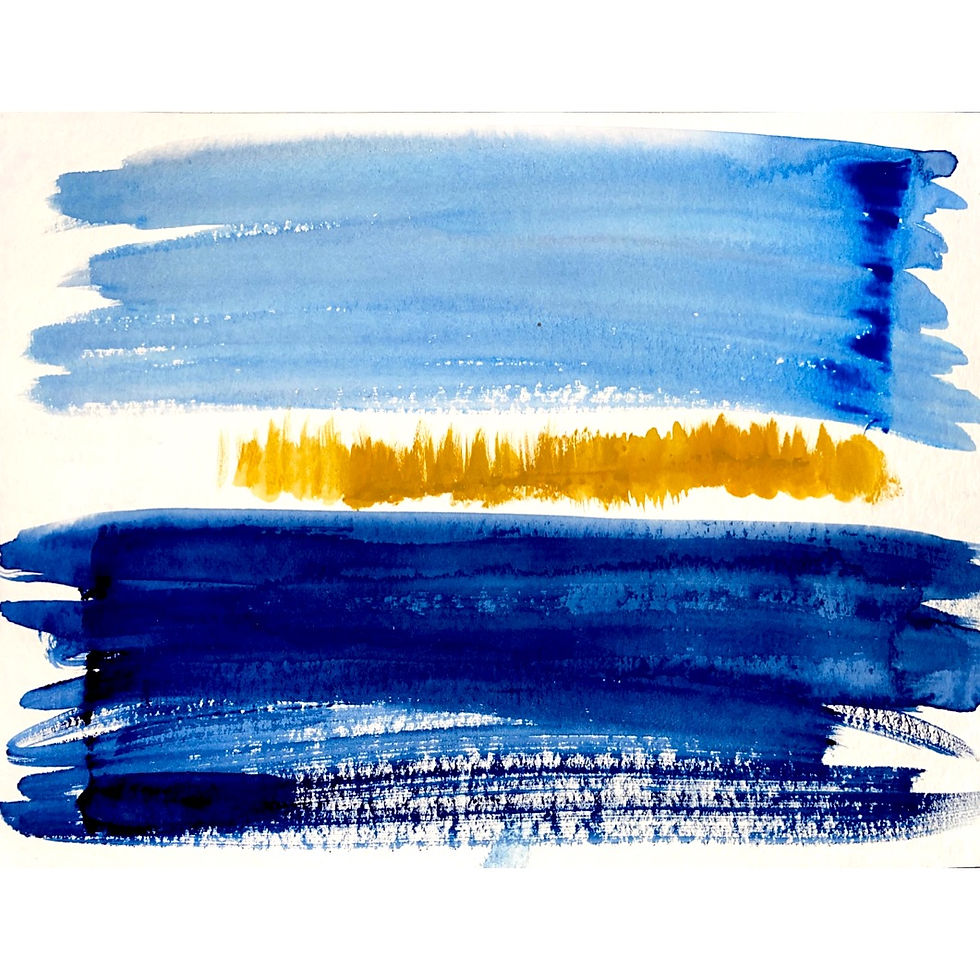
Painting is one of the simplest forms of art therapy. It allows individuals to select colors that reflect their emotions and create visual forms that symbolize their experiences. For instance, someone might use vibrant reds and blacks to express anger and grief, whereas soothing blues and greens could represent serenity. This form of expression can lead to a deeper understanding of what one is feeling.

2. Music Therapy
Music can be an incredible medium for expression in art therapy. Listening to specific music genres, writing lyrics, or composing songs can help individuals process emotions. For example, studies show that drumming can release pent-up feelings, while composing a song may allow someone to narrate their personal story. Each note can serve as a pathway toward healing.
3. Photography
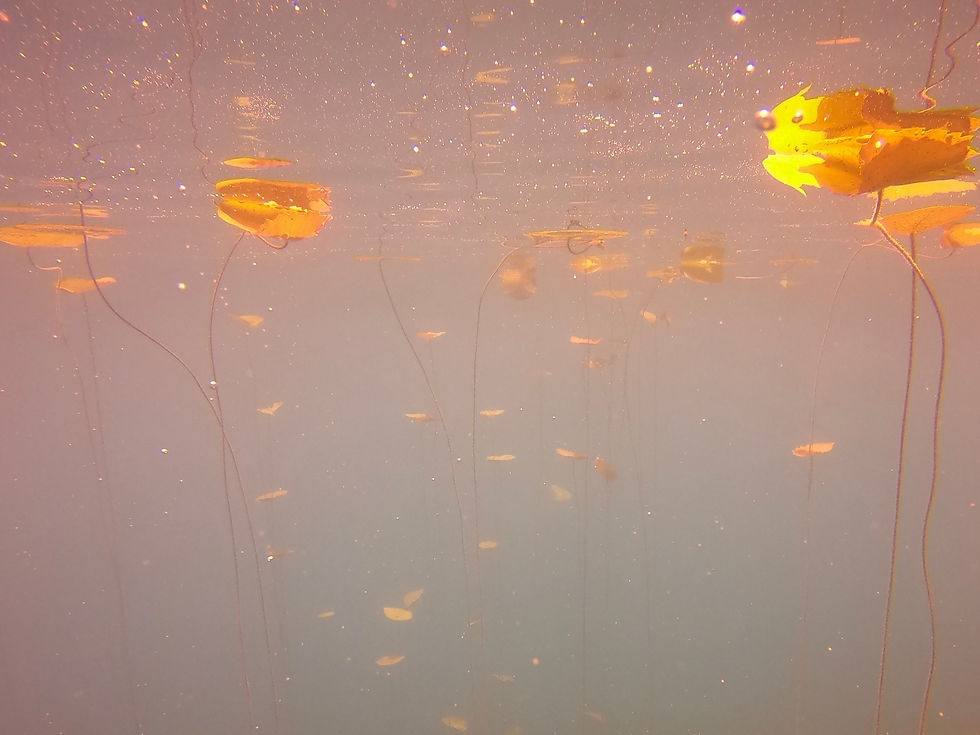
Using photography as an art therapy form allows individuals to document their experiences through a fresh lens. Focusing on nature may bring solace, while exploring urban settings can help confront feelings of chaos. Each photograph can narrate a personal story, capturing moments of hope, recovery, and growth.
Tips for Art Therapy
1. Create a Safe Space
Set up a comfortable and private environment where you can engage in art without distractions. Ensure your creative space feels secure, welcoming, and judgment-free. This atmosphere is crucial for genuine expression.
2. Experiment with Different Mediums
Try various artistic outlets to find what resonates with you. This could include painting, crafting, playing music, or photography. Discover what feels most liberating—this exploration can enhance your therapeutic experience. Art is not just about what we see; it’s also about what we hear. The relationship between sound and visual art is profound and complex. As artists explore this connection, they push the boundaries of traditional genres and create new experiences.
3. Embrace Vulnerability
Art therapy thrives on vulnerability. Welcome your feelings, regardless of their complexity. Engaging deeply with these emotions can lead to profound healing and understanding.
The Essence of Visual Art
Visual art encompasses a vast array of practices, from painting and drawing to photography and sculpture. Each medium tells a story, captures a moment, or evokes an emotion. Artists use color, form, and composition to convey their ideas and messages. But how do sound and visual art intersect?
The experience of visual art can be dramatically altered by sound. For example, a gallery displaying a series of paintings can choose to play ambient music that enhances the mood of the artwork. Studies indicate that specific types of music can influence viewers' perceptions of art. For instance, classical music might invite viewers to appreciate modernist pieces with greater depth, while upbeat pop tunes might engender a feeling of joy and playfulness when appreciating bright, colorful works.
Soundscapes in Visual Art Spaces
Soundscapes play a critical role in shaping our experience of visual arts. When artists create installations or exhibitions, they often incorporate ambient or live sound. This combination not only captivates but can also deepen the emotional experience for viewers.
In practical terms, curators could experiment with different audio tracks to see how they affect visitor engagement. Should the exhibition feel energetic or calm? The sound that accompanies visual art can drastically alter viewer engagement levels.
The Role of Music in Art Creation
Artists often find inspiration in sound, particularly music. Just as a composer might draw on visual art for inspiration, visual artists frequently create their works while listening to music. Certain genres may evoke particular emotions or concepts, fueling the creativity behind each brushstroke or photographic shot.
Academic research supports the idea that playing music can enhance creativity in the arts. A survey of artists revealed that a significant majority felt more inspired when listening to certain tracks. This suggests that sound can not only influence the final product but also the process of creation itself.
Collaborative projects are also on the rise in which artists and musicians work side by side to create multimedia exhibitions. These collaborations can lead to innovative outcomes, blending visual and auditory elements in ways that engage multiple senses.

Auditory Elements in Contemporary Art
As contemporary art continues to evolve, artists are increasingly incorporating auditory elements into their visual pieces. This integration can challenge traditional notions of what defines art. For instance, sculptures and installations may incorporate sound triggers, where viewers interact with the work and activate soundscapes.
Moreover, artists are exploring the concept of synesthesia, where stimulation of one sensory pathway leads to involuntary experiences in another. For example, sound art installations allow viewers to 'hear' visuals, compelling them to perceive art in new, multidimensional ways.
Understanding how sound can influence visual perception offers artists a toolkit for exploring uncharted territories in their work. Actions such as layering sounds, creating immersive environments, or even manipulating silence can transform a simple art exhibition into an unforgettable experience that resonates with viewers.
Practical Application for Artists
If you’re an artist looking to explore the connection between sound and visual art, here are some actionable tips:
Choose a Soundtrack: Consider the emotional tone of your artwork. Select music or soundscapes that complement and enhance the feelings you want to evoke.
Experiment with Audio-Visual Installations: Try incorporating sound elements into your exhibitions. Explore how audio affects visitor interactions with your art.
Collaborate with Musicians: Working with musicians can introduce new perspectives and ideas into your creative process. A synergy of visual and auditory elements can lead to groundbreaking work.
Utilize Technology: Employ tools such as digital media to create immersive experiences. Interactive art installations can engage viewers more deeply through sound.
Reflect on Tradition: Look back at works across different genres. Reflect on how artists in the past incorporated sound into their visuals. Use this understanding as a foundation for your projects.
Gather Feedback: If you implement sound in your work, collect feedback from viewers. Understand how sound influences their experience of your visual art.
The connection between sound and visual art offers endless possibilities for exploration and innovation. By integrating these two forms, artists can break free from traditional constraints and create experiences that resonate deeply with audiences.
Final Thoughts
Art's potential for storytelling extends beyond visuals and includes sound as a vital component. As artists continue to explore this connection, new forms of expression and exploration will emerge. This fusion of sound and visual art not only refreshes the creation but elevates the entire artistic experience. Whether through immersive installations, curated exhibitions, or collaborative projects, the marriage of these two elements is inspiring and transformative.
Opening New Paths for Healing
Art therapy stands out as a powerful method for navigating the challenges of trauma and emotional dysregulation. Through painting, music, and photography, individuals discover ways to heal, express themselves, and regulate their emotions. This nurturing relationship between the mind and spirit can provide profound relief while unveiling opportunities for personal growth and self-awareness.
Make It a Regular Practice
Consistency is vital for effective art therapy. Dedicate time each week for your chosen medium. Regular patterns can create stability and become a corner stone for emotional regulation.
As you embark on your exploration of art therapy, may you find comfort and healing through the transformative power of creativity.
For those interested in a journey through the realms of both sound and visuals, don’t miss the opportunity to explore music and photography. There, you’ll discover how sound and visual art can create a unique sensory experience that captivates and inspires.
With love, light & rock n' roll,



Comments